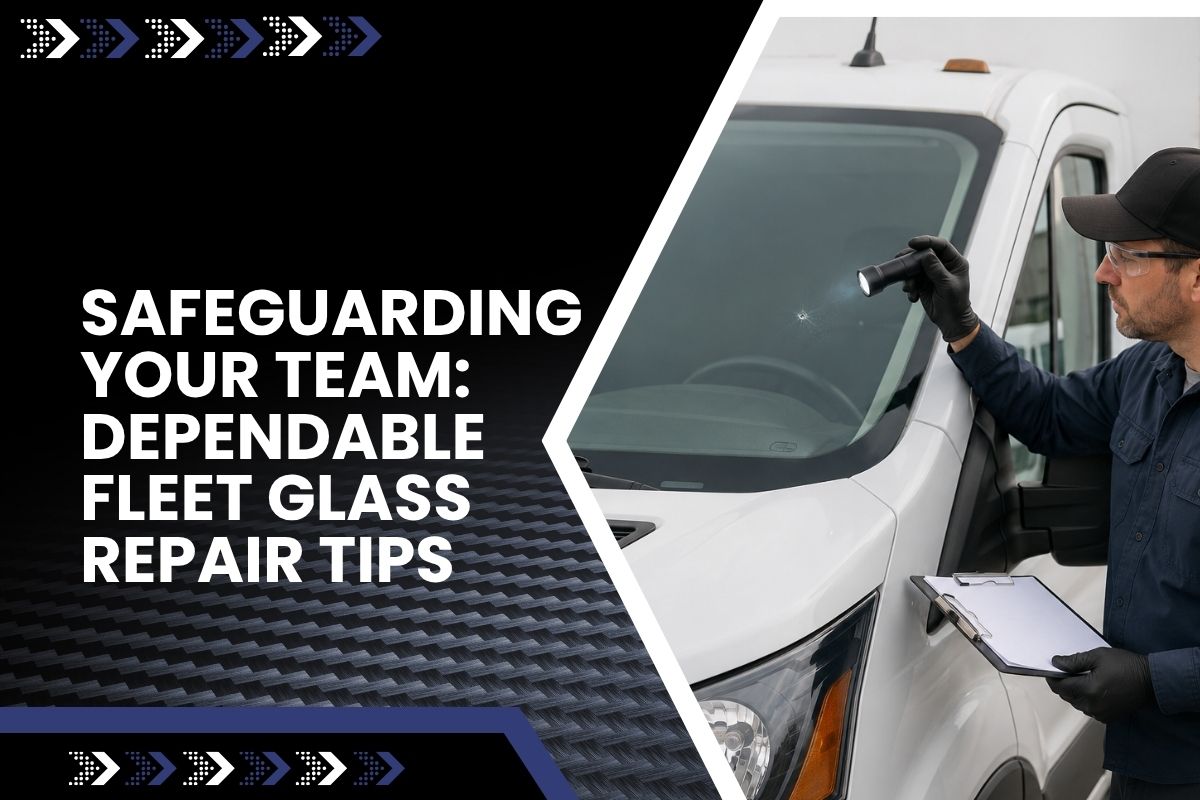
At Duran's Auto Glass, we know that safe fleet glass repair protects drivers, passengers, schedules, and your business. Small chips can grow fast, reduce visibility, and take vehicles out of service when they are needed most.
A clear plan for commercial vehicle glass care helps your team spot damage early, plan repairs, and keep each route safer without adding stress to daily operations.
Fleet vehicles face road debris, weather changes, heavy vibration, and long hours on busy streets. When glass damage is ignored, a small chip can become a crack that blocks the driver’s view or weakens the windshield.
Safe glass also supports better decisions on the road. Clear sightlines help drivers react to traffic, pedestrians, and changing weather. Routine checks make glass care part of the safety culture, not an afterthought.
Drivers see the vehicle every day, so they are often the first to notice glass problems. Simple reporting habits can prevent delays and reduce the chance of larger damage.
Reports should include the vehicle number, damage location, and when the issue was noticed. Photos can also help the repair team decide the next step.
Strong fleet maintenance planning helps you avoid last-minute service problems. Add glass checks to routine inspections, driver walkarounds, and scheduled maintenance days so issues are found before a vehicle is pulled from service.
With Duran's Auto Glass, you can make fleet glass repair part of a practical service plan. This helps reduce downtime, protect drivers, and keep routes moving with fewer unexpected delays.
Use past repair notes to find patterns. If one route causes frequent chips, your team may adjust parking, review driving distances, or schedule more checks for those vehicles.
Different fleet vehicles need different glass care. Trucks, buses, vans, and service vehicles each face unique road conditions, visibility needs, and passenger safety concerns.
For more safety guidance, review our auto glass safety tips before building your next inspection checklist.
The right service partner understands fleet schedules, vehicle types, and the need for safe results. When you choose Duran's Auto Glass, we focus on clear communication and practical support for your vehicles.
A dependable fleet glass service should make repairs easier to manage. Your team should know what needs repair, what may need replacement, and how to keep drivers informed.
Good records support safer decisions. Keep notes for each inspection, repair, replacement, and driver report. This makes it easier to track recurring issues and plan service before problems affect daily work.
Safe glass care also supports responsible fleet operation. A damaged windshield can create visibility problems and may lead to avoidable risk. Our windshield safety tips can help drivers understand what to watch for between inspections.
Local support matters when timing is important. Working with nearby technicians can make communication easier and help your team respond faster to glass concerns.
Fleet glass should be checked during routine inspections and after any road impact. For heavy-use vehicles, more frequent checks can help your team find chips before they spread.
Many chips can be repaired when they are small, clean, and not in a risky location. Our team at Duran's Auto Glass can review the damage and explain the safest option.
Bus glass replacement may be needed when cracks are large, visibility is affected, or the glass is weakened. You can review truck and bus glass services for related service details.
Small chips can spread because of vibration, heat, cold, and road stress. Fast reporting helps prevent larger repairs and supports safer daily operation for every vehicle.
Local technicians can make communication and scheduling easier for fleet teams. See our guide to local glass technicians to understand why nearby support matters.
Fleet glass repair works best when it is planned, documented, and handled before damage spreads. A simple process protects visibility, supports drivers, and helps reduce avoidable downtime.
At Duran's Auto Glass, we help fleet teams take glass concerns seriously without making the process harder than it needs to be. For support with safer vehicle glass planning, contact our team about your fleet glass needs.