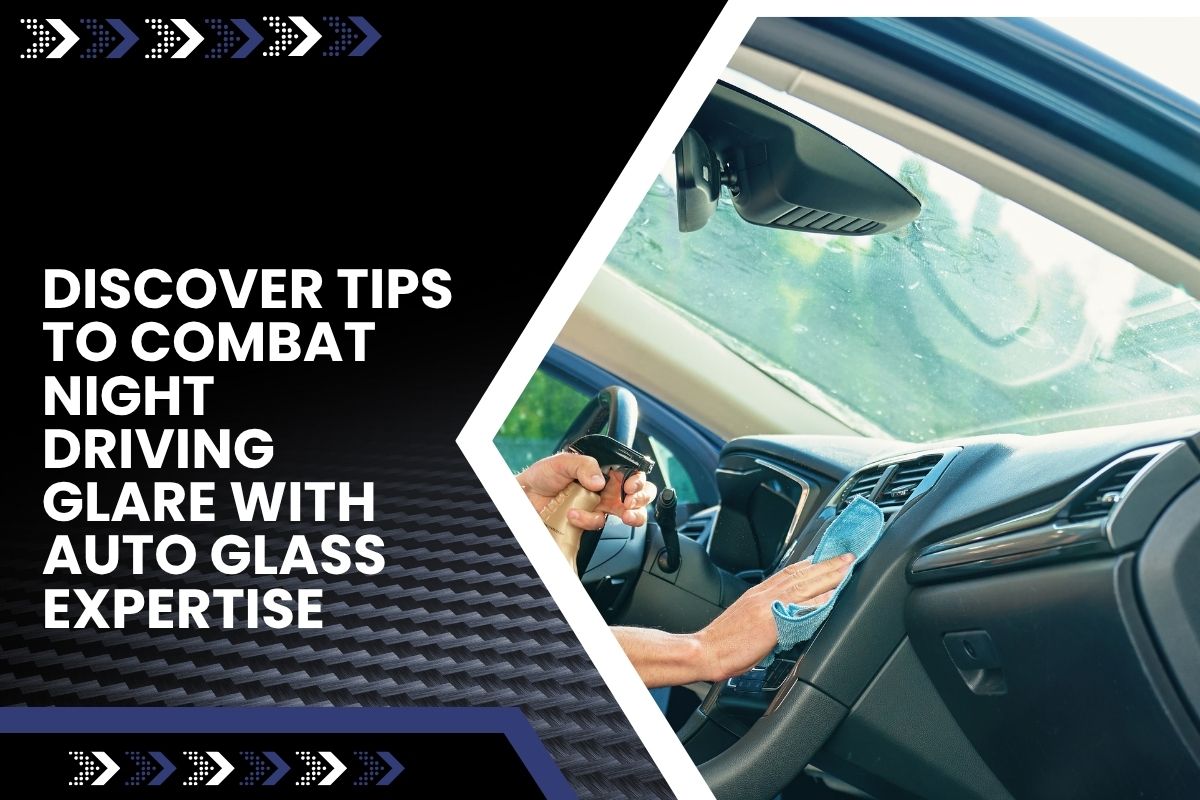
Encountering night driving can often leave you struggling with distracting brightness and shadows. For many, night driving glare poses a real safety concern. Whether from oncoming headlights or reflections from wet roads, these visual obstacles can quickly lead to fatigue and reduced focus. Fortunately, auto glass expertise offers practical ways to reduce glare and regain visual comfort. By learning about coatings, maintenance, and modern technology, you can manage these issues effectively and make your night drives safer. Understanding these strategies ensures you’re prepared to face every journey confidently under the stars.
Keeping your auto glass clean and clear is essential to minimize night driving glare and maintain strong visibility. When glass surfaces are scratched or dirty, light scatters, increasing glare from oncoming vehicles. This not only strains your eyes but also affects your ability to recognize hazards on the road. Regular cleaning and inspections help maintain clarity, reducing the risk of fogging and distracting reflections. Clean glass improves driver confidence and keeps your focus on the journey instead of the glare. To enhance safety, ensure your windshield and windows are always in excellent condition. For professional cleaning and repair, consider auto glass experts in Richmond who can guide you through proper care techniques.
Several factors contribute to night driving glare. Oncoming headlights are the most common cause, especially when misaligned or too bright. When beams hit a slightly damaged windshield, they create distracting starbursts and halos. Wet roads worsen the issue by reflecting light back toward your eyes. Even small chips or smudges on the glass can act like lenses, distorting light and reducing clarity. Recognizing these sources helps you take targeted steps to minimize glare. Understanding the problem makes every night trip smoother and safer.
These specialized coatings improve contrast and sharpness, making road markings and signs easier to see. Combining these treatments ensures consistent visibility, especially during long night drives. If you’re unsure which coating suits your vehicle, consult professionals via contact auto glass specialists for personalized recommendations.
Routine cleaning plays a major role in preventing night driving glare. Use an ammonia-free automotive glass cleaner and a microfiber cloth to remove dust, oil, and road residue. Clean both the inner and outer surfaces for maximum clarity. Regular inspection also helps detect chips early before they grow into larger problems. Addressing small imperfections promptly prevents unnecessary glare and ensures your windshield’s durability. For further maintenance advice, check expert resources like windshield damage from rain blog for practical care insights.
Balanced lighting improves visibility and minimizes the impact of night driving glare. Adjusting both interior and exterior lights helps your eyes adapt more comfortably. With correct settings, you reduce reflection and enhance focus throughout your drive.
Driving habits play a significant role in reducing glare. Maintain a safe distance behind vehicles to minimize light reflections. Look toward the right edge of your lane when facing oncoming headlights. Use polarized or anti-glare glasses for additional protection. These glasses filter out horizontal light waves, improving night visibility. Combined with healthy vision care, they help you handle glare more effectively. Regular eye exams ensure your prescription remains accurate and your vision stays clear.
Modern auto glass technology offers solutions that automatically adjust to changing light. Electrochromic glass darkens in response to bright light, instantly lowering glare without manual adjustment. Photochromic glass reacts similarly, offering adaptive tint levels during night or day. Infrared-blocking layers also help by filtering wavelengths that cause glare and heat buildup. Integrating these technologies enhances comfort and reduces eye strain during extended drives. These innovations show how advanced auto glass contributes to safer nighttime journeys.
If night driving glare continues despite your efforts, professional inspection is essential. Certified technicians can identify hidden flaws or misalignments causing reflection issues. They apply industrial-grade coatings that offer durable glare protection and maintain optical quality. When replacement is needed, choose OEM or equivalent glass to ensure precision fit and clarity. Professional installation prevents problems like sensor misalignment and poor sealing, both of which can contribute to glare. For expert service, consider reaching out through get professional auto glass service to schedule a detailed evaluation.
As glass ages, micro-scratches and residue accumulate, scattering more light and amplifying glare during night drives.
Yes, consistent cleaning removes particles that reflect light unevenly, helping to maintain a clear view and reduce glare.
Absolutely. Quality coatings improve clarity and enhance your night vision by reducing light scatter from headlights.
Rain, fog, and humidity increase reflections from wet surfaces and glass, intensifying glare and reducing contrast.
If you notice persistent reflections, halos, or difficulty seeing at night, contact a certified technician for inspection and repair.
Consistent maintenance ensures lasting visibility and comfort during night drives. By combining these habits with expert auto glass services, you can effectively combat night driving glare and enjoy smoother, safer journeys. For additional insights, explore windshield sensor realignment guide to understand how sensor calibration supports optimal vision.
Reducing night driving glare requires commitment to proper maintenance, expert guidance, and smart technology. By maintaining clean glass, using effective coatings, and applying safe driving practices, you enhance your visibility and confidence. Partner with professional technicians for long-term solutions and keep your vehicle in peak condition for every nighttime trip. Implement these steps today and enjoy clearer, safer drives illuminated by precision and expertise.