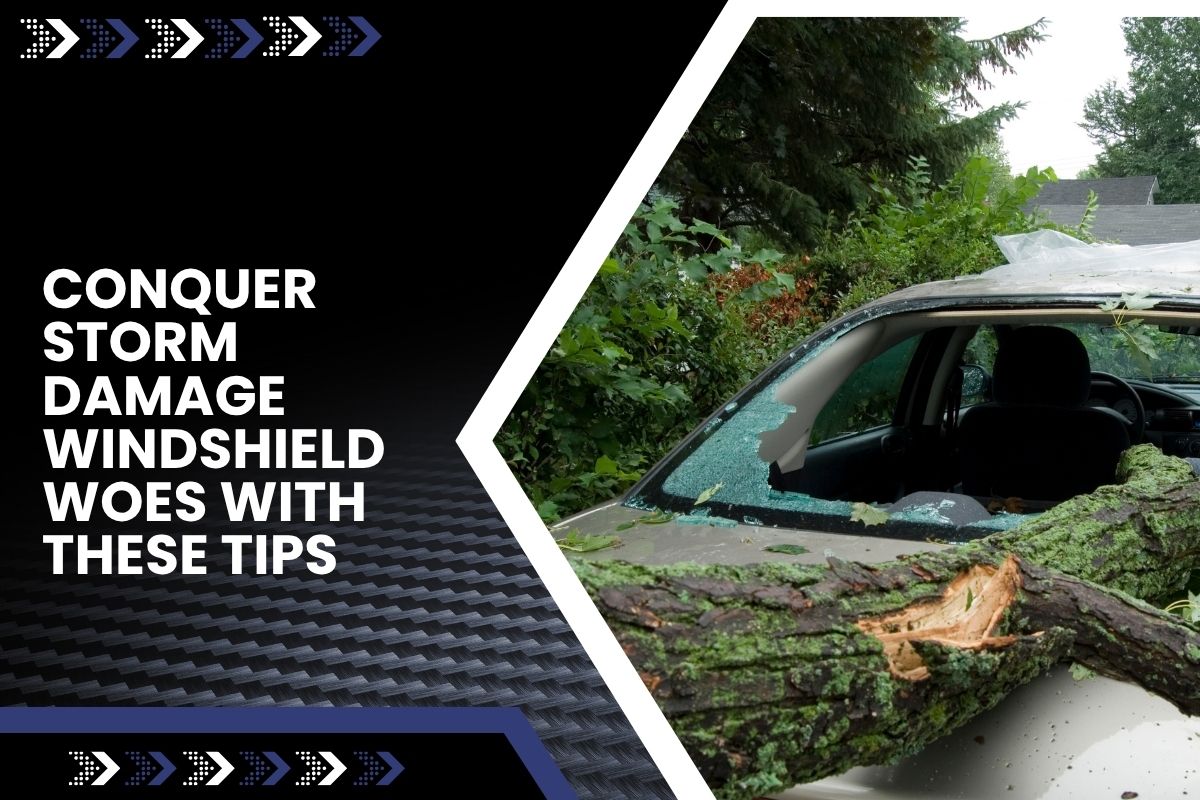
Braving the aftermath of powerful storms can be overwhelming, especially when facing a storm damage windshield. This issue goes beyond inconvenience—it’s a safety concern demanding prompt attention. A cracked or shattered windshield obstructs your view and weakens your car’s structure. However, managing the situation doesn’t have to be stressful. This guide explores practical ways to fix, prevent, and handle storm-related windshield problems, ensuring your vehicle remains safe and roadworthy.
Through effective actions and smart decisions, you can reduce costs, minimize risk, and extend your windshield’s lifespan. Learn how to assess damage, apply temporary fixes, and determine when professional help is needed. By following these strategies, you’ll stay protected from future storm damage windshield complications and drive confidently no matter the weather.
Start by inspecting cracks and chips across your windshield to determine how severe the problem is. Not every storm damage windshield situation requires a full replacement. Minor bull’s-eye chips might seem small, yet if they’re in your line of sight, they pose danger. Gently trace the damage with your fingertip—rough edges or spreading lines indicate deeper issues.
Photograph the windshield from multiple angles before deciding on a fix. Small chips under half an inch can often be repaired, while longer cracks may demand professional attention. Remember, fluctuating temperatures worsen even small cracks, so act quickly to prevent escalation. Understanding the extent of the storm damage windshield allows you to choose between a DIY approach or expert service confidently.
When immediate repair isn’t possible, temporary fixes help protect the glass. Use windshield repair tape to seal cracks and prevent moisture or dirt intrusion. Clean the area with isopropyl alcohol, let it dry, and apply tape directly over the damaged spot. For slightly larger cracks, a resin-based repair kit can stabilize the structure until you reach a technician.
Although temporary, these fixes limit worsening damage caused by rain or heat. Park in shaded areas to reduce pressure on the glass. If cracks continue spreading after applying a fix, schedule professional service immediately. Acting fast minimizes risk and keeps your storm damage windshield from turning into a costly replacement.
Preventive measures significantly reduce the chances of developing another storm damage windshield. Moreover, keeping your car sheltered during extreme weather extends windshield life and prevents expensive repairs. For professional inspection and glass care, consider visiting auto glass specialists in Richmond CA who ensure top-quality service and expert solutions.
DIY repair kits offer a practical way to fix small chips. Each kit typically includes resin, curing film, and an injector. After cleaning the surface, apply the resin following instructions, and allow it to harden under sunlight or UV light. This process improves visibility and halts crack progression.
DIY options work best for minor storm damage windshield cases. However, for deeper or multiple cracks, expert assistance is safer. Follow manufacturer directions carefully to avoid mistakes like trapped air bubbles. Properly executed DIY repairs save time and reduce the need for replacements.
If your windshield shows any of these signs, professional help is essential. Certified technicians can ensure correct installation, sealing, and calibration. For reliable service, reach out through the contact page to schedule expert windshield repair or replacement.
If cracks are short and shallow, repairs usually suffice. Extensive or obstructive cracks require full replacement.
Driving with cracks weakens the structure, especially during storms. Always repair or replace as soon as possible.
No, DIY kits are for small chips. Larger cracks or deep damage need professional intervention for proper safety.
Park under cover, secure outdoor items, and apply water-repelling treatments to reduce the risk of cracks.
Most comprehensive policies do. Always review your plan and file claims promptly to minimize costs.
Understanding your insurance coverage is crucial. Many policies include storm damage windshield repairs with minimal deductibles. Contact your insurer immediately after a storm, document damage, and follow their process for reimbursement. Keep all communication and receipts organized for smooth claims.
Some insurers offer direct payments to approved service providers, simplifying the process. Compare repair and replacement costs before deciding. Managing claims efficiently ensures fast recovery and safety.
Preparation reduces the likelihood of future storm damage windshield scenarios. Learn more about weather-related risks by reading windshield damage from rain blog for helpful insights. Staying informed helps you act before problems worsen.
Once repairs are complete, verify the work meets safety standards. Inspect seals for leaks, ensure wipers operate correctly, and check for optical clarity. Drive short distances initially to detect vibrations or noise. If any issues arise, return to the technician for adjustments.
Proper maintenance and inspection after every repair ensure long-term windshield reliability. You can also explore additional safety guidance in the windshield sensor realignment guide to keep your system calibrated.
Addressing windshield issues after a storm doesn’t need to be stressful. Assess damage early, apply effective temporary solutions, and use preventive practices to avoid future issues. Whether you choose a DIY kit or professional service, prioritizing your safety is key.
For dependable repairs and expert advice, contact auto glass experts today. Taking prompt action ensures a clear view, safe travels, and protection against recurring storm damage windshield concerns.