Driving should feel calm, not stressful because water is dripping into your cabin. At Duran's Auto Glass, we know that small leaks can point to larger glass or seal problems. Spotting windshield leak signs early helps protect your interior, comfort, and safety.
A wet floor, a musty smell, or fog that will not clear may signal trouble around your windshield seal. For added protection, review our guide to weatherproofing auto glass and keep your vehicle ready for changing weather.
Water may enter through a weak seal long before you see a steady drip. When moisture sits inside the cabin, it can affect carpet, trim, wiring, and air quality. These problems often grow slowly, which makes early action important.
With Duran's Auto Glass, you can take small signs seriously before they become larger repairs. A quick inspection can help find the source of windshield water leaks and reduce the chance of deeper interior damage.
Seal failure symptoms can be easy to miss after light rain. Look for changes inside the cabin after storms, car washes, or humid mornings. A leak may appear in one area, while the actual entry point sits higher on the glass edge.
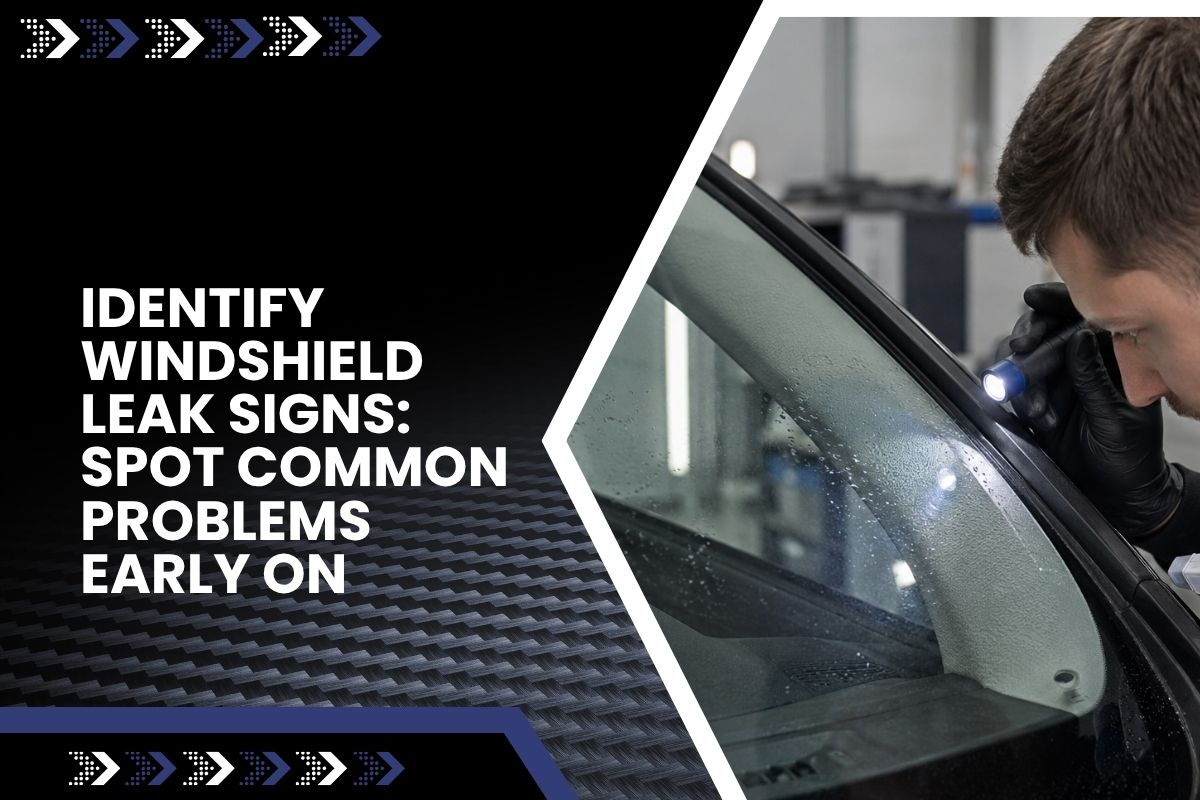
Start by checking the windshield edges from inside and outside the vehicle. Use bright light and look closely along the seal, trim, and corners. A small gap or uneven line can allow water to enter during heavy rain.
Our team at Duran's Auto Glass can compare visible damage with hidden leak paths when a basic check is not enough. You can also use our windshield inspection guide to review key warning areas.
Windshield water leaks often begin when the seal weakens from age, heat, rain, debris, or past glass work. Even a small opening can let water follow the path of least resistance into the cabin.
Rain can also make existing glass problems easier to notice. If your leak appeared after a storm, our guide on windshield damage from rain explains how weather can reveal hidden issues.
Windshield leak detection should be gentle and careful. Do not blast water upward with strong pressure because that can force water into places normal rain may not reach. A slow, controlled test gives a clearer result.
A temporary sealant or automotive tape may help during light rain, but it should not replace proper service. Moisture inside vehicle areas can return if the source is not cleaned, sealed, and checked correctly.
At Duran's Auto Glass, we look at the leak location, seal condition, and glass fit before recommending the next step. Some cases need windshield seal repair, while others may require a more complete solution. For more guidance, see when to repair or replace after rain.
Yes. A small leak can spread water into carpet, trim, and wiring over time. It is best to check the source early and keep the cabin dry.
Look for damp spots near the dashboard, pillars, headliner, or front floor. A careful windshield inspection can help separate a glass leak from other water entry points.
Not always. The right fix depends on the seal, glass position, and damage level. Our team at Duran's Auto Glass can review the issue and explain the practical options.
Yes. Heavy rain can reveal weak seals, chips, or gaps that were already present. Our article on rain-related windshield damage explains what to watch for after storms.
Ask for help when dampness returns, smells develop, or you cannot find the leak source. You can use our contact page to request guidance for the next step.
Checking for windshield leak signs after rain can help you stop damage before it spreads. When you choose Duran's Auto Glass, we focus on clear answers, careful checks, and practical next steps for your vehicle.
A dry cabin starts with a secure windshield seal. For help with leak concerns, moisture inside the vehicle, or windshield seal repair, reach us through the Duran's Auto Glass contact page.