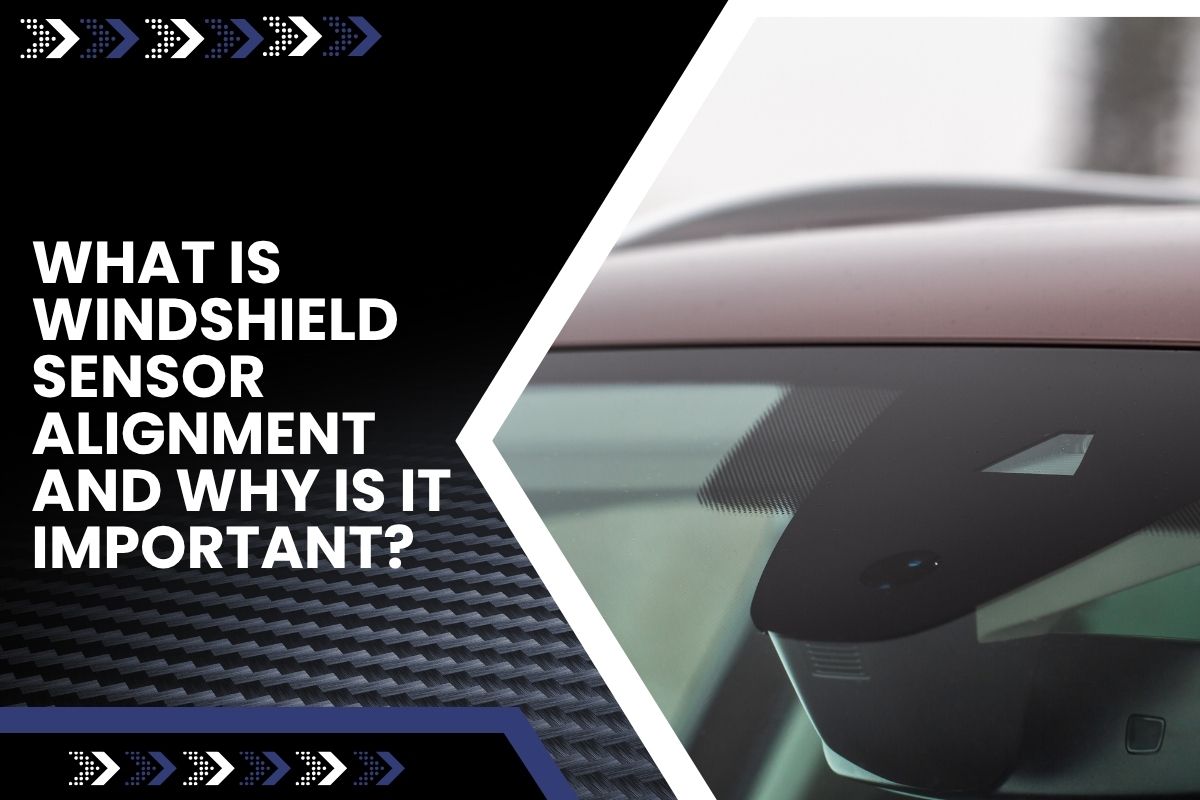
Modern vehicles rely on technology that goes beyond simple glass protection. Today, windshields support advanced sensors that ensure safety and performance. These devices operate adaptive cruise control, collision detection, and lane-keeping features. However, if sensors shift slightly, your vehicle may not detect objects accurately. Therefore, windshield sensor alignment is essential for secure driving. A minor misalignment could cause false alarms or missed warnings, turning safe trips into dangerous ones. By learning about windshield sensor alignment, drivers can protect themselves, passengers, and other road users. Ultimately, knowing this process helps ensure safety in every journey.
Technicians use laser guides, reflective boards, and diagnostic software to achieve exact adjustments. This process guarantees sensors interpret road signs and lane markings correctly. Proper windshield sensor alignment is therefore the foundation of reliable ADAS functionality.
When windshield sensor alignment is correct, vehicles respond safely and consistently. Systems like lane departure warnings and emergency braking rely on aligned sensors. These features interpret surrounding conditions without distortion. On the other hand, misalignment can create dangerous false alerts or missed threats. Therefore, proper alignment protects both immediate safety and long-term vehicle reliability. Drivers can trust semi-autonomous systems only when sensor angles are precise. Consistent calibration is not a one-time job but an ongoing requirement.
Even small service tasks like dashboard removal can affect sensors. Consequently, every time work is done near the windshield, recalibration should follow. Ignoring windshield sensor alignment may leave critical features working incorrectly.
Misalignment often shows up as irregular behavior in driver-assistance systems. For example, collision alerts may trigger without obstacles. Lane-keeping may tug the wheel when you’re centered, or it may ignore lane lines. Adaptive cruise control might overreact or fail to adjust speed. Additionally, rain-sensing wipers may behave erratically. Multiple warning signs happening together usually indicate poor windshield sensor alignment.
Driver-assistance systems rely on accurate windshield sensor alignment for correct performance. Adaptive cruise control requires sensors to measure exact distances. Misaligned cameras can misjudge vehicles ahead, creating abrupt braking or acceleration issues. Lane departure systems may misread road markings if sensors tilt even slightly. Automatic braking also depends on precise orientation to detect hazards quickly. Each system must process reliable data, and alignment ensures this accuracy.
Driving with misaligned sensors increases risks for all motorists. Incorrect readings may cause sudden braking, potentially leading to rear-end collisions. Conversely, a failure to recognize hazards may delay responses and cause accidents. High-speed driving intensifies these risks since small delays have serious consequences. Misaligned sensors can also create liability issues if safety systems fail. Insurance disputes may arise, and drivers could lose trust in ADAS systems. Therefore, windshield sensor alignment is more than maintenance—it is a critical safety responsibility.
Routine inspections catch small deviations early. When technicians recalibrate after replacements or repairs, safety systems remain consistent. Thus, proactive maintenance delivers both safety and financial benefits.
Follow manufacturer service intervals to ensure windshield sensor alignment remains precise. Always request recalibration after windshield replacement. Watch for unusual system behavior and schedule checks quickly if issues arise. Cleaning sensors regularly prevents dirt from mimicking alignment issues. Avoid aftermarket films or tints that affect light transmission. Additionally, maintain suspension and wipers to prevent streaks or vibrations interfering with sensors. Collectively, these measures support sensor accuracy and driving safety.
Certified technicians use OEM-approved equipment to perform windshield sensor alignment. They set alignment boards at specific distances and verify angles with diagnostic software. Professional services also apply updates and confirm live system accuracy. Choosing certified providers guarantees correct adhesives and calibration methods. For reliable results, comprehensive alignment checks must follow every major windshield-related service. When systems are recalibrated properly, drivers regain confidence in their vehicle’s advanced safety features.
Windshield sensor alignment is the precise adjustment of sensors behind the windshield to ensure accurate performance of safety systems.
Erratic warnings, unpredictable lane-keeping, or inconsistent cruise control often indicate misaligned sensors that require recalibration.
Schedule a windshield sensor alignment after windshield replacement, minor accidents, or when unusual ADAS behavior appears.
Common causes include windshield replacement, rough-road vibrations, minor impacts, or improper aftermarket installations without recalibration.
No, misaligned sensors compromise safety features. A proper windshield sensor alignment is necessary to ensure reliable system performance.
Windshield sensor alignment keeps modern vehicles safe and reliable. By understanding its importance, drivers can prevent hazards and enjoy consistent performance. For expert guidance, explore our resources on windshield recalibration and windshield protection tips. If you need service, visit San Pablo Auto Glass. To schedule professional support, reach out through our contact page.